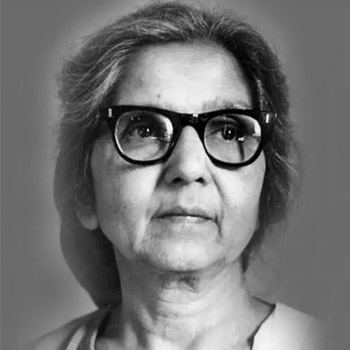
Shri Rajiv Gandhi
Shri Rajiv Gandhi, born on August 20, 1944, in Bombay, served as India's youngest Prime Minister from 1984 to 1989, stepping into leadership after his mother Indira Gandhi's assassination. A former pilot with a modern outlook, he modernized India's economy, technology sector, and education system while navigating complex regional conflicts. His tenure, marked by bold reforms and tragic end, shaped India's path toward technological self-reliance.
Early Life
Rajiv Gandhi grew up in a prominent political family, with grandfather Jawaharlal Nehru as India's first Prime Minister and mother Indira Gandhi as the third. Educated at elite schools like Doon School and Trinity College, Cambridge, he initially pursued aviation, working as a pilot for Indian Airlines and avoiding politics. Married to Italian-born Sonia Maino in 1968, they had two children, Rahul and Priyanka, leading a relatively private life until 1980.
Rise to Power
Following brother Sanjay's death in 1980, Rajiv entered politics, winning the Amethi Lok Sabha seat in 1981. Thrust into the Prime Minister's role on October 31, 1984, amid anti-Sikh riots after Indira's killing, he led Congress to a record 414-seat victory in December elections. At 40, his youth symbolized a break from "old politics," promising clean governance.
Key Reforms
Rajiv liberalized India's economy by slashing import quotas, taxes, and tariffs on tech sectors like computers, telecom, and defense. He boosted science through initiatives like the National Policy on Education (1986) and Jawahar Navodaya Vidyalayas for rural talent. Telecom revolution began with MTNL and C-DOT, laying groundwork for India's IT boom.
Foreign Policy
Rajiv elevated India's global role, intervening in Maldives (1988 coup reversal) and Seychelles (1986) to support allies. He retook Siachen's Quaid Post in Operation Rajiv (1987) and sent IPKF to Sri Lanka against LTTE, though it strained ties. His vision positioned India as a front-rank power, balancing assertiveness and diplomacy.
Controversies
Scandals like Bofors arms deal and Shah Bano case eroded trust, while IPKF's Sri Lanka failure fueled criticism. Punjab efforts, including Operation Black Thunder (1988), curbed militancy but couldn't fully resolve tensions. Northeast insurgency rose, though Mizoram gained statehood in 1987.
Assassination and Legacy
Congress lost in 1989; Rajiv campaigned in 1991 but was killed on May 21 by an LTTE suicide bomber in Sriperumbudur. Posthumously awarded Bharat Ratna, his tech-forward policies fueled India's digital rise, earning him recognition as a modernizer.