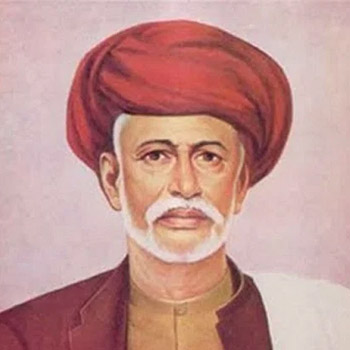
Shri Morarji Desai
Shri Morarji Desai, born on February 29, 1896, in Bhadeli village near Valsad, Gujarat, stands as a towering figure in India's independence struggle and post-independence politics, serving as the nation's fourth Prime Minister from 1977 to 1979. A staunch Gandhian, he resigned from his civil service post in 1930 to join the freedom movement, enduring multiple imprisonments during key phases like the Civil Disobedience Movement, Individual Satyagraha, and Quit India Movement. His life exemplified unwavering principles, blending rigorous austerity with bold leadership that reshaped India's political landscape.
Early Life and Entry into Public Service
Desai graduated from Wilson College in Bombay and joined the provincial civil services as Deputy Collector in Godhra, showcasing early administrative acumen. Influenced by Mahatma Gandhi's philosophy of non-violence and truth, he abandoned a stable career to champion India's freedom, emerging as a key Congress leader in Gujarat. His tenure as Revenue and Home Minister in the Bombay Presidency during the 1930s honed his governance skills amid rising demands for provincial autonomy.
Role in Independence and State Leadership
Desai's participation in the freedom struggle solidified his reputation, with repeated jail terms underscoring his resolve against British rule. Elected Chief Minister of Bombay State in 1952, he navigated linguistic tensions that led to the 1956 bifurcation into Gujarat and Maharashtra, though a tragic police firing at Flora Fountain in 1956 claimed 105 lives and accelerated state reorganization. He championed progressive reforms for peasants and tenants, withdrawing state controls on sugar and oil to stabilize markets.
National Politics and Rise to Power
Joining the Union Cabinet in 1956 as Commerce and Industry Minister, Desai later served as Finance Minister under Lal Bahadur Shastri and Indira Gandhi, resigning twice, once under the Kamaraj Plan in 1963 and again in 1966 over policy differences. Imprisoned during the 1975 Emergency, he co-founded the Janata Party, leading its 1977 electoral triumph against Congress, making him the first non-Congress Prime Minister at age 81, a record unbroken. His administration passed the 44th Constitutional Amendment, curbing emergency misuse by replacing "internal disturbance" with "armed rebellion."
Prime Ministerial Tenure and Reforms
Desai prioritized Gandhian ideals, pushing prohibition, poverty alleviation, and non-alignment by mending ties with the US, China, and Pakistan post-1974 nuclear test. He hosted US President Jimmy Carter in 1978 and received Pakistan's Nishan-e-Pakistan in 1990 for peace efforts. Internal Janata Party rifts over dual leadership with Charan Singh led to his 1979 resignation after 28 months.
Personal Principles and Legacy
A lifelong vegetarian, teetotaler, and nature cure advocate who controversially practiced urine therapy, Desai lived simply, even writing postcards as Prime Minister. He supported the Amul cooperative in Kaira district and served as Gujarat Vidyapith Chancellor. Passing away on April 10, 1995, at 99 after brain surgery, he posthumously received the Bharat Ratna in 1991, honored as a moralist who restored democratic norms.