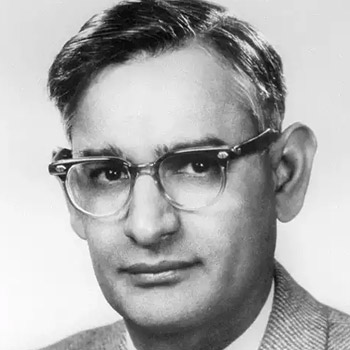
P V Narasimha Rao
P. V. Narasimha Rao served as India's Prime Minister from 1991 to 1996, steering the nation through a severe economic crisis with landmark liberalization reforms. Born on June 28, 1921, in Karimnagar (now in Telangana), he emerged as a multifaceted leader blending scholarship, activism, and statesmanship. His tenure marked the first time a leader from non-Hindi speaking South India held the office, fundamentally reshaping India's global and economic trajectory.
Early Life
Narasimha Rao grew up in a modest agrarian family, adopted at age three by P. Ranga Rao and Rukminiamma, and received traditional education before studying law. In the 1940s, he actively resisted the Nizam's rule in Hyderabad, co-editing the Telugu weekly Kakatiya Patrika to promote progressive ideas. His involvement in the Quit India Movement solidified his commitment to independence, transitioning him into full-time politics post-1947 with the Indian National Congress.
Rise in State Politics
Rao entered the Andhra Pradesh Legislative Assembly in 1957, holding ministerial roles in education, law, and commerce from 1962 to 1973. As Chief Minister from 1971 to 1973, he enforced strict land ceiling acts, redistributed land in Telangana, and introduced reservations for lower castes amid the Jai Andhra agitation, which led to President's Rule. These reforms highlighted his focus on equity, though they sparked regional tensions.
National Leadership
Under Indira and Rajiv Gandhi, Rao managed key portfolios including Home, Defence, and External Affairs, rising to prominence by navigating complex crises. He supported the Congress split in 1969, served as Lok Sabha MP, and chaired the Telugu Academy. In 1991, following Rajiv Gandhi's assassination, Rao led a minority Congress government, becoming the first to complete a full term without a majority.
Economic Reforms
Facing a 1991 balance-of-payments crisis, Rao appointed Finance Minister Manmohan Singh to dismantle the License Raj, reduce tariffs, open sectors to foreign investment, and reform banking and capital markets. These changes ended decades of socialist controls, spurring sustained growth adopted by successors. Despite internal party resistance, his technocratic approach transformed India from economic isolation to global integration.
Foreign and Security Policies
Rao neutralized Sikh separatism by enabling Punjab elections and restrained Kashmiri militancy, resolving the 1993 Hazratbal shrine siege without damage. He cultivated ties with Iran to counter Pakistan at the UN and maintained distance from the Dalai Lama to ease China relations. His strategic diplomacy, including nuclear test deliberations, bolstered national security amid insurgencies.
Legacy and Later Years
A polyglot scholar fluent in multiple languages, Rao authored works blending philosophy and poetry, earning posthumous Bharat Ratna in 2024. He passed away on December 23, 2004, in New Delhi, amid controversies like the 1993 Babri Masjid demolition, for which he faced acquittal. Historians credit him as the "architect of modern India" for visionary reforms achieved against political odds.