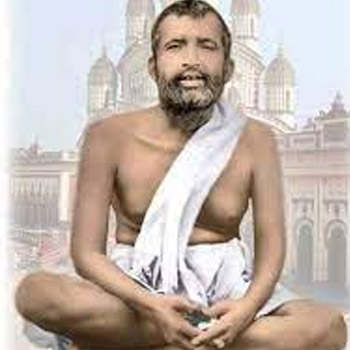
Govind Ballabh Pant
Govind Ballabh Pant was an influential Indian freedom fighter, social reformer, and political leader whose legacy helped shape modern India through his multifaceted roles in the independence movement, legislative reforms, and nation-building.
Early Life and Education
Govind Ballabh Pant was born on 10 September 1887 in Khoont village near Almora, Uttarakhand, into a Marathi Karhade Brahmin family. Raised primarily by his maternal grandfather Badri Dutt Joshi, Pant's early education took place at home before he joined school at age ten. He went on to study at Muir College, Allahabad, and later pursued law, topping his batch and winning the Lumsden Gold Medal.
Entry into Public Life
Pant’s first foray into activism came in 1914 when he helped a local village council challenge the exploitative British law of "coolie begar", which required locals to carry the luggage of British officials for free. In 1916, he established the Kumaon Parishad, which represented local interests and advanced early forms of social reform. Pant’s grassroots activism soon evolved into broader participation in the Indian National Congress and he was elected to the United Provinces Legislative Assembly in 1921.
Role in the Freedom Movement
A prominent freedom fighter, Pant actively participated in major movements including the Salt March, the protest against the Simon Commission, and the Quit India Movement. His resistance to colonial rule led to repeated imprisonments; notably, he was severely injured during a lathi charge on protesters against the Simon Commission, resulting in a permanent disability. Pant also started the Prem Sabha in Kashipur to promote education, protect forests, and encourage social reform.
Legislative and Administrative Leadership
Pant’s parliamentary prowess led him to become the Premier (Prime Minister) of the United Provinces (1937-1939) and then the first Chief Minister of Uttar Pradesh (1946-1954) after independence. He was instrumental in abolishing the exploitative zamindari system and passing the Hindu Code Bill in UP, which gave women the right to divorce and enforced monogamy. Pant’s reforms modernized public institutions and created pathways for social equity.
Union Home Minister and National Reforms
Appointed as India’s Union Home Minister (1955-1961), Pant played a key role in the linguistic reorganization of states and was critical in establishing Hindi as the official language for the central government. His tenure saw considerable administrative modernization and a broad vision for an inclusive, unified India.
Legacy and Honours
Govind Ballabh Pant’s vision and leadership continue to inspire generations. He was posthumously awarded the Bharat Ratna in 1957 and remains memorialized through hospitals, educational institutions, and public foundations named in his honour. Pant’s values of courage, integrity and compassion underpin his legacy as one of India’s most effective parliamentarians and architects of modern governance.
Unique Contributions
- Grassroots Social Reform: Pant’s activism began at the village level, emphasizing social empowerment and rights.
- Unyielding Parliamentary Leadership: His ability to bridge diverse viewpoints brought stability and progress to turbulent political landscapes.
- Enduring Legacy: Pant helped lay the foundation for modern administrative practices and linguistic inclusivity in India.
Govind Ballabh Pant remains an enduring symbol of principled leadership and transformative reform in India’s history.