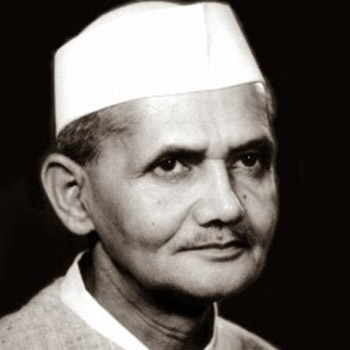
Seventh Five Years Plan
The Seventh Plan (1985-90) emphasized policies and programmes, which aimed at rapid growth in food grains production, increased employment opportunities and productivity within the framework of basic tenets of planning, namely, growth, modernization, self reliance and social justice. Food grains production during the Seventh Plan grew by 3.23 per cent as compared to a long-term growth rate of 2.68 per cent between 1967-68 and 1988-89 and the growth rate of 2.55 per cent in the eighties due to overall favorable weather conditions, implementation of various thrust programmes and concerted efforts of the Government and the farmers. To reduce unemployment and consequently, the incidence of poverty, special programmes like Jawahar Rozgar Yojana were launched in addition to the existing programmes. Due recognition was accorded to the role, small-scale and food processing industries could play in this regard. The total expenditure during the entire Seventh Plan stood at Rs.2,18,729.62 crore (current prices) as against the envisaged total public sector outlay of Rs.1,80,000 crore, resulting in a 21.52 per cent increase in nominal terms. During this Plan period, the Gross Domestic Product (GDP) grew at an average rate of 5.8 per cent exceeding the targeted growth rate by 0.8 per cent.