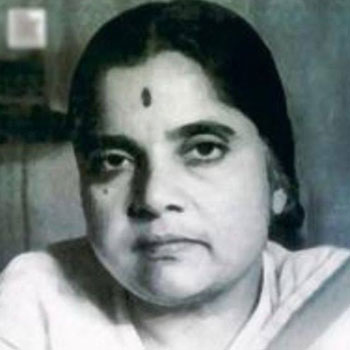
Sukhdev
Sukhdev Thapar was one of the most dynamic and influential revolutionaries in the Indian freedom struggle, renowned for his intellectual rigor and unwavering commitment to social change. His short yet remarkable life left a lasting imprint on India’s collective memory, with his legacy enshrined each year on Shaheed Diwas, commemorating martyrdom and self-sacrifice.
Early Life and Influences
Sukhdev Thapar was born on 15 May 1907 in Naughara Mohalla, Ludhiana, Punjab, into a Punjabi Khatri Hindu family. He lost his father, Ram Lal Thapar, at the age of three and was brought up by his uncle, Lala Achintram. His upbringing was deeply influenced by the Arya Samaj movement and its strong ideals of social reform and independence. Witnessing the daily injustices and atrocities committed by the British Raj, Sukhdev developed a passionate desire to fight colonial rule from an early age.
Revolutionary Activities
Sukhdev joined the Hindustan Socialist Republican Association (HSRA) and became the chief organizer of its Punjab unit, guiding many operations and decisions on strategy. He also helped establish the Naujawan Bharat Sabha, a group dedicated to mobilizing the youth for the freedom struggle. Not just an activist, Sukhdev was a thinker: he organized study circles, taught at National College, Lahore, and inspired many young revolutionaries with his knowledge of global liberation movements, especially the Russian Revolution.
Notable Actions
- Sukhdev played a central role in planning the retaliatory assassination of J.P. Saunders in December 1928, avenging the death of Lala Lajpat Rai after brutal police action during the anti-Simon Commission protest.
- He participated in the Central Assembly Hall bombings in 1929, designed to galvanize public opposition against repressive laws, together with Bhagat Singh and Rajguru.
- He led a hunger strike in prison protesting against the inhumane treatment of political prisoners, demonstrating his indomitable spirit.
Arrest, Trial, and Execution
Sukhdev was arrested following the Central Assembly Hall bombing and became the main accused in the historic Lahore Conspiracy Case, officially titled “Crown vs Sukhdev and others”. He, Bhagat Singh, and Rajguru were convicted and sentenced to death after a controversial trial in which colonial law was heavily criticized for its unfairness and the secrecy of execution and disposal of their bodies shocked the nation.
Sukhdev was executed on 23 March 1931 in Lahore Central Jail, at the age of only 24 years. British authorities hastily and secretly cremated the bodies on the banks of the Sutlej River to prevent widespread mourning and possible unrest.
Intellectual Contributions and Legacy
Sukhdev was not only a militant activist but also an intellectual leader whose organizational acumen strengthened the underground revolutionary movement. He penned letters to Mahatma Gandhi, argued for the transformative potential of martyrdom, and consistently advocated for unity and secularism among youths through the Naujawan Bharat Sabha.
His legacy is honored in contemporary India through institutions like Shaheed Sukhdev College of Business Studies, commemorative monuments, and annual Martyrs’ Day observances. He remains an inspiring symbol of sacrifice, youth empowerment, and the unyielding spirit of resistance to tyranny.
Sukhdev Thapar’s name continues to resonate as a beacon of courage, patriotism, and leadership, reminding generations of the tremendous sacrifices made in the pursuit of Indian independence.