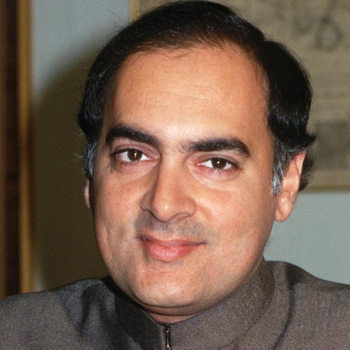
Kshudiram Bose
Sahid Khudiram Bose, one of the youngest revolutionaries of the Indian independence movement, was born on December 3, 1889, in a small village called Habibpur in the Medinipur district of Bengal Presidency (present-day West Bengal). He hailed from a Kayastha family; his father, Trailokyanath Basu, was a Tehsildar, and his mother, Lakshmipriya Devi, was a deeply religious woman. Unfortunately, Khudiram lost both of his parents at a very young age and was raised by his elder sister and brother-in-law.
Childhood and Early Inspiration
Growing up in an environment marked by British colonial domination, Khudiram Bose developed a strong nationalist sentiment early in life. Influenced by the teachings of the Bhagavad Gita and the fervent patriotic speeches of leaders like Sri Aurobindo Ghosh and Sister Nivedita, Khudiram was deeply inspired to fight for India's freedom. Even as a young boy, he pondered the injustice of foreign rule, vowing to drive out the British who, he believed, suppressed the natural rights of Indians. His school days were marked by an intense interest in nationalist ideas, and he was drawn to revolutionary groups of the time, like the Jugantar and Anushilan Samiti.
Revolutionary Activities
At the age of 16, Khudiram Bose became actively involved in the revolutionary movement against British rule. He joined the Jugantar party, a secret revolutionary group advocating for drastic action to overthrow the British government, and learned the art of bombing and other revolutionary tactics. His discontent grew particularly strong in response to the Partition of Bengal in 1905, which aimed to divide and weaken nationalist sentiments.
Khudiram took part in several acts of rebellion, targeting government officials and police stations by planting bombs. His most notable and infamous act was the Muzaffarpur Conspiracy Case of 1908. Along with fellow revolutionary Prafulla Chaki, Khudiram attempted to assassinate the notorious British Chief Presidency Magistrate, Douglas Kingsford, who was infamous for his harsh and biased judgments against Indian nationalists. They planned to bomb Kingsford's carriage near the European Club in Muzaffarpur. However, tragically, Kingsford was not in the targeted carriage; instead, two British women, Mrs. Kennedy and her daughter, were killed in the bombing. The two revolutionaries fled the scene, but Prafulla Chaki took his own life to avoid arrest, while Khudiram was captured.
Trial and Martyrdom
Khudiram Bose was tried and sentenced to death for his role in the bombing and other revolutionary activities. He faced his execution on August 11, 1908, at the young age of 18. Despite his youth, Khudiram accepted his fate bravely and faced the gallows with remarkable courage, reportedly smiling as the noose was placed around his neck. He expressed no regret for his revolutionary acts but rather sorrow that Kingsford could not be punished for his alleged injustices. His martyrdom deeply inspired the Indian independence movement, symbolizing youthful zeal and unwavering patriotism.
Legacy and Tribute
Khudiram Bose's sacrifice galvanized many Indians, including prominent leaders like Bal Gangadhar Tilak, who wrote editorials defending revolutionary actions and calling for Swaraj (self-rule). The legendary Bengali poet Kazi Nazrul Islam commemorated Khudiram’s courage in his poetry, and he remains an iconic figure symbolizing youthful rebellion against colonial oppression. His life story continues to be taught and honored throughout India, especially in Bengal, where schools, roads, and institutions bear his name, immortalizing his contribution to the freedom struggle.
Khudiram Bose's life exemplifies the courage and sacrifices made by young Indians in the early phases of the independence movement. In just 18 years, he embodied the spirit of resistance and inspired countless others to take bold steps toward India's liberation from British rule.