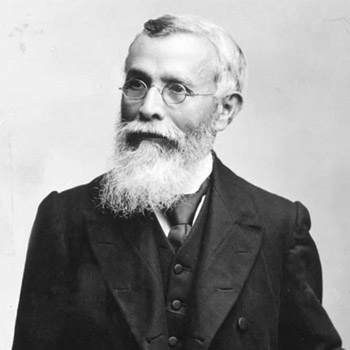
Bankim Chandra Chattopadhaye
Bankim Chandra Chattopadhyay stands as one of India’s greatest literary and national icons, whose writing fueled the spirit of freedom and collective pride in the 19th century. He is celebrated as the Sahitya Samrat (Emperor of Literature) of Bengal and is best known for his seminal novel Anandamath and the composition of the inspirational song “Vande Mataram”.
Early Life and Education
Born on 27th June 1838 in the village of Kanthalpara, Bengal. Bankim grew up in a traditional Brahmin family, the youngest of three brothers. His father was a government official who later became Deputy Collector of Midnapur. Bankim’s education at Hooghly Mohsin College and Presidency College (Kolkata) exposed him to both Bengali and English literature and thought, traits that deeply influenced his later works.
Career and Role in Society
Bankim joined the colonial administration, ultimately serving as Deputy Magistrate and Deputy Collector. Despite his government career, his passion for writing and reform defined his legacy. As a district judge and later a lawyer, Bankim fiercely opposed social inequalities and championed Indian identity. He founded the literary magazine Bangadarshan in 1872, which played a pivotal role in shaping Bengali nationalism and the literary renaissance of Bengal.
Literary Contributions
Bankim Chandra Chattopadhyay’s oeuvre comprises fourteen novels, several poems, essays, and critical treatises spanning philosophy, satire, and national awakening.
- His novels were among the first in modern Bengali, elevating the language as a vehicle for sophisticated literary expression.
- He introduced realism and modern themes such as social reform, nationhood, anti-colonial resistance, and the conflict between tradition and modernity.
- Through his writing, Bankim explored the moral and emotional complexities of Indian society, especially the supernatural and historical intrigues unique to Bengal.
Notable Works
- Anandamath (1882): Set against the Sannyasi Rebellion, this landmark novel blends history, mythology, and patriotism. It introduced “Vande Mataram”, which became a rallying cry for India’s independence movement and was adopted as the National Song of India.
- Durgeshnandini (1865): His first major Bengali novel, centered on romantic and political intrigue in 17th-century Bengal.
- Kapalkundala (1866): Explores the life of a conflicted young woman, dissecting 19th-century social norms and emotional dilemmas.
- Rajmohan’s Wife (1864): The earliest of his novels, written in English, examining complex human relationships and societal restrictions.
- Krishnakanter Will, Devichaudhrani, Bishabriksha: Other significant works displaying his innovative narrative style and themes of reform.
Influence on Nationalism and Cultural Identity
Bankim Chandra was a catalyst for Indian nationalism.
- “Vande Mataram”, charged with fervor for the motherland, inspired activists and became central to Congress sessions and the independence movement.
- His stories celebrated India’s unity and heritage, urging self-reliance and pride among readers.
- Through Bangadarshan and his novels, he shaped modern Bengali identity and catalyzed the Bengal Renaissance, influencing subsequent generations of writers, thinkers, and freedom fighters.
Unique Legacy
Bankim’s literary innovation transformed Bengali from an ornamental language to a powerful vehicle for exploring social, emotional, and nationalist themes. His pioneering style, vibrant storytelling, and courageous critique of colonial rule continue to evoke respect and inspire cultural movements throughout India.
Conclusion
Bankim Chandra Chattopadhyay’s life and work were devoted to awakening India’s spirit, fostering literary renaissance, cultural pride, and resistance against colonial domination. His immortal novels and the stirring “Vande Mataram” capture the essence of the Indian soul and remain pillars of modern Indian literature and national consciousness.