Indian States and Union Territory - Goa
Chief Minister: Shri Pramod Sawant
Governor: Shri Pusapati Ashok Gajapathi Raju
Area: 3,702 sq. km
Capital: Panaji
Population: 14,57,723
Male Population: 92
Female Population: 81
Total Literacy(%): 87.40
Male Literacy(%): 92.81
Female Literacy(%): 81.84
Sex Ratio: 968
No of District: 2
Principal Languages: Konkani
Other Languages: Konkani and Marathi 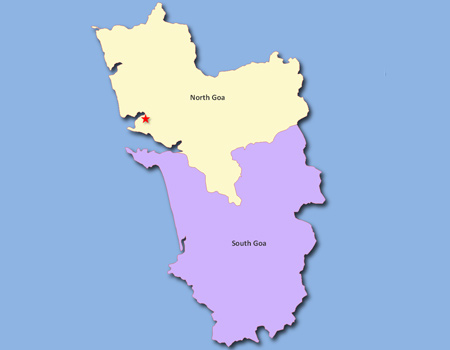
Goa, the emerald gem of India's southwestern coast, is renowned for its vibrant culture, pristine beaches, rich history, and diverse geography. This enchanting state, nestled within the Konkan region, offers a fascinating blend of natural beauty, historical legacy, and modern development, making it a unique destination on the global tourism map.
History and Geography
Goa's history is deeply rooted in its colonial past, having been a Portuguese territory for nearly 450 years until it was liberated in 1961, which has significantly influenced its cultural and architectural landscape. Geographically, Goa covers an area of approximately 3,702 square kilometers, characterized by a rugged coastline stretching over 160 km along the Arabian Sea. The terrain is distinguished by the Western Ghats mountain range, which acts as a natural barrier and influences the region's climate and biodiversity.
The state boasts a varied landscape, including numerous rivers like the Mandovi and Zuari, which are vital for agriculture and transport. The region's soil is predominantly lateritic, rich in minerals, and suitable for cultivating crops like rice, cashew, and coconut. The climate is tropical, with high humidity and distinct wet (June-September) and dry seasons, influencing its lifestyle and agricultural patterns.
Agriculture
Agriculture remains a significant livelihood in Goa, supporting around 12 lakh people. Traditionally centered on rice cultivation, the sector has evolved to include cashew nuts, coconut, horticultural crops, and spices. The state's fertile soils and favorable climate favor diverse cropping patterns, though challenges such as coastal salinity and labor shortages impact productivity.
The government promotes sustainable practices, including the cultivation of saline-tolerant rice varieties and mechanization to improve yields. Goa also produces fruits, vegetables, and dairy, contributing to its local economy and food security.
Industry
Goa's industrial landscape has transformed from primarily rural and agricultural to a vibrant hub of tourism, mining, pharmaceuticals, and light engineering. Major industries include iron ore and manganese mining, pharmaceutical manufacturing, and tourism-related services, which is the largest sector.
The state actively encourages investment in knowledge-based industries such as biotechnology, electronics, and food processing, aiming to diversify its economy further. The tourism industry, bolstered by natural beauty and cultural heritage, remains the cornerstone of Goa's industrial development.
Irrigation and Power
Major projects like the Tillari Irrigation Project exemplify Goa's initiatives to enhance water resource management and agricultural productivity. This joint venture with Maharashtra irrigates thousands of hectares in North Goa, supporting agriculture and industry.
Power generation in Goa primarily meets local demand, with sustainable initiatives to harness renewable energy sources, including solar and wind, aligned with environmental conservation efforts.
Transport
Goa features an extensive network of roads facilitating easy travel within the state. Public transport options include private and government-run buses, local taxis, and unique modes like motorcycle taxis known as 'pilots,' which are favored for their speed and affordability.
Car rentals and taxis provide tourists and locals with flexible options to explore beaches, temples, and other attractions, enhancing the overall experience of mobility in Goa.
Festivals and Tourist Centres
Goa's vibrant cultural tapestry is celebrated through numerous festivals such as Carnival, Shigmo, and Bonderam, which showcase its rich heritage through dance, music, and colorful processions. The state's beaches, including Baga, Palolem, and Anjuna, along with historical sites like Old Goa and Dudhsagar Waterfalls, attract millions of visitors annually.
Religious spots like the Basilica of Bom Jesus, temples, and forts add to its diverse tourist appeal, making Goa an all-season destination for leisure, adventure, and cultural exploration.
This comprehensive overview underscores Goa's multifaceted identity as a harmonious blend of natural beauty, historical richness, and economic dynamism, continuously attracting visitors and investors alike.