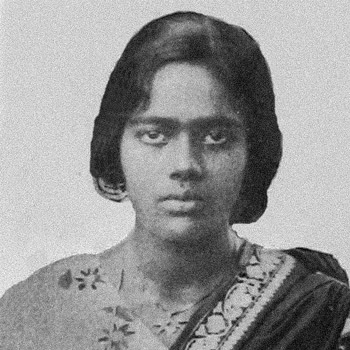
Bipin Chandra Pal
Bipin Chandra Pal was a towering figure in India's struggle for independence, renowned for his uncompromising advocacy of Swaraj (self-rule), bold revolutionary thought, and devotion to social reform. His life and legacy reflect the powerful confluence of nationalist fervor, literary brilliance, and progressive activism that helped shape the path to Indian freedom.
Early Life and Influences
Born on 7 November 1858 in Sylhet (then Bengal Presidency, now in Bangladesh), Pal hailed from a prosperous Bengali Kayastha family. He received a broad education, studying at Church Mission Society College, affiliated with Calcutta University, and even spending a year at Manchester College, Oxford. Early exposure to reformists and thinkers like Keshab Chandra Sen, Sivanath Sastri, and Bijay Krishna Goswami influenced him towards rationalism, spiritual inquiry, and a secular worldview.
Political Journey and Nationalism
Pal’s political journey began under the mentorship of Surendranath Banerjee and was shaped by associations with the Brahmo Samaj and Indian Association. He joined the Indian National Congress in 1886 and quickly became a dynamic spokesman for radical nationalist ideas. As part of the legendary "Lal Bal Pal" triumvirate (with Lala Lajpat Rai and Bal Gangadhar Tilak), Pal led the extremist wing of the Congress, believing constitutional reforms and petitions were inadequate for liberation. He advocated composite patriotism, asserting that India’s diversity required an inclusive nationalism, contrasting with the narrower religious nationalism of contemporaries like Tilak.
Key Contributions
- Swadeshi Movement: Pal was a principal architect of the Swadeshi Movement, encouraging Indians to boycott British goods, champion economic self-reliance, and support indigenous industry.
- Advocacy of Swaraj: His vision predated the Congress's formal adoption of complete independence, and he called for a federal Indian republic with strong local autonomy over a centralized state.
- Journalism and Literature: Pal communicated his ideals through editorship and writing in influential journals and newspapers, such as Bengal Public Opinion, The Tribune, New India, Bande Mataram, and Hindu Review. His articles warned against imperial policies and analyzed India's strategic concerns.
- Social Reform: He was a tireless critic of social evils, fighting the caste system, advocating widow remarriage, and championing workers' rights, including wage increases and shorter work weeks. Pal’s commitment was so personal that he married an inter-caste widow, a radical act at the time.
- Ideological Differences: Pal sharply disagreed with Mahatma Gandhi, rejecting nonviolent resistance as insufficient and favoring more confrontational, direct action for freedom.
Legacy and Later Life
Pal was imprisoned for six months for sedition in the Bande Mataram case, exemplifying his willingness to court personal risk for the cause. From 1908-1911, he spent time in England, developing ideas about a federated partnership of equals within the British Empire (the "Empire Idea"), later publishing these views in the Hindu Review. After retiring from active politics in 1921 due to ideological rifts within Congress, Pal continued contributing through writing, remaining a revered nationalist and social thinker until his death on 20 May 1932.
Significance
Bipin Chandra Pal is remembered as the Father of Revolutionary Thought and as one of India’s "mightiest prophets of nationalism". His fearless advocacy for independence, social justice, and rational reform helped lay the groundwork for later mass movements, imbuing India’s freedom struggle with a spirit of assertiveness and intellectual rigor that endures in the collective memory.