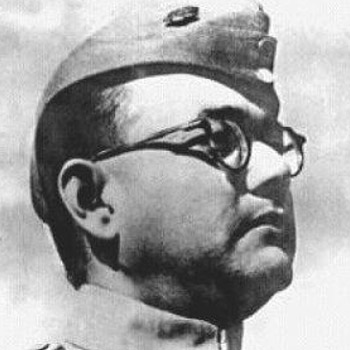
Pandit Madan Mohan Malviya
Pandit Madan Mohan Malviya was a towering figure in India’s journey towards independence, renowned for his visionary leadership in education, his principled politics, and his efforts at social reform.
Early Life and Education
Born on December 25, 1861, in Allahabad (now Prayagraj), Madan Mohan Malviya came from a family of Sanskrit scholars. His father, Pandit Brij Nath Malaviya, and mother, Lakshmi Devi, nurtured in him a deep respect for tradition and learning. Malviya studied in Allahabad and later at Calcutta University, earning a degree in law and distinguishing himself as a brilliant lawyer known for his meticulous preparation and advocacy.
Role in the Freedom Struggle
Malviya was highly active in India’s freedom movement and a staunch proponent of moderate politics. He served as the President of the Indian National Congress four times,1909, 1918, 1932, and 1933, playing a vital part in bridging divides between moderates and extremists within the Congress. He participated in Mahatma Gandhi’s Salt Satyagraha and the Civil Disobedience Movement, even facing imprisonment for standing up against British rule. Malviya believed in constitutional reforms and peaceful protest, preferring dialogue and legislation over confrontation.
Educational Reforms and Banaras Hindu University
Malviya’s most enduring legacy is the Banaras Hindu University (BHU), which he founded in 1916 in Varanasi. Conceived as a fusion of the best in Indian and Western learning, BHU became the largest residential university in Asia, providing education across multiple disciplines to tens of thousands of students. Malviya was its vice-chancellor from 1919 to 1938, tirelessly working to promote education as a tool for empowerment and national progress. He also founded the Bharat Scouts and Guides, aiming to blend education with character-building and service.
Social Reform and Advocacy
A passionate reformer, Malviya championed the rights of the marginalized, especially the untouchables. He worked for their social equality, supporting temple entry and access to education. Malviya was also deeply committed to Hindu unity, advocating for Sanatan Dharma while promoting communal harmony. His vision rejected religious and caste barriers, and he was involved in negotiating reforms like the Poona Pact.
Journalism and Public Engagement
Malviya’s influence extended into journalism, where he used the press as a platform for reform and national awakening. He founded and edited several newspapers, including the Hindi weekly “Abhyudaya”, the English daily “The Leader”, and later chaired “Hindustan Times”, ensuring the nationalist message reached across India.
Environmental and Cultural Efforts
He was among the earliest Indian leaders to raise concerns about environmental conservation, especially of the Ganga River, founding the Ganga Mahasabha in 1905 to protect this sacred waterway from industrial threats. His holistic approach connected environmental stewardship to spiritual and national well-being.
Legacy and Recognition
Pandit Madan Mohan Malviya was affectionately called “Mahamanya”, a title given by Rabindranath Tagore and echoed by Mahatma Gandhi, reflecting the deep respect he commanded. In recognition of his matchless contributions, he was posthumously awarded Bharat Ratna, India’s highest civilian honour, in 2014.
Malviya’s multifaceted legacy, as an educator, freedom fighter, social reformer, and nation-builder, continues to inspire future generations, making him one of India’s most revered public figures.