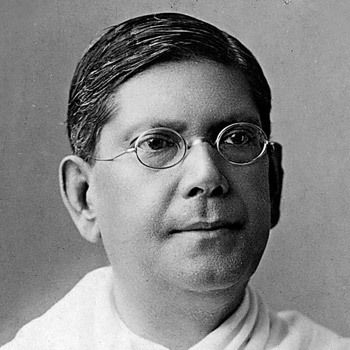
Atal Bihari Vajpayee
Atal Bihari Vajpayee, born on December 25, 1924, in Gwalior, Madhya Pradesh, stands as one of India's most revered statesmen, poets, and orators, whose life bridged poetry, politics, and national vision. Serving as Prime Minister during three terms (1996, 1998-1999, and 1999-2004), he navigated coalition politics with pragmatism while advancing India's global stature and infrastructure. His legacy endures through transformative policies and a commitment to inclusive nationalism.
Early Life and Influences
Vajpayee grew up in a Brahmin family, steeped in RSS (Rashtriya Swayamsevak Sangh) ideals from his youth, which shaped his worldview of disciplined nation-building. He honed his eloquence as a journalist and Hindi poet, publishing works like Kaidi Kavirai Ki Kundaliniyan, blending cultural heritage with political thought. By his 20s, he joined the independence movement, enduring arrests during Quit India, forging a blend of idealism and resilience.
Political Rise
A founding member of the Bharatiya Jana Sangh in 1951, Vajpayee became its president in 1968, advocating cultural nationalism. Post-Emergency, he helped form the Janata Party, serving as External Affairs Minister (1977-1979) and earning global acclaim for India's diplomacy. In 1980, he co-founded the BJP, rising as its first president and parliamentary voice.
Prime Ministerial Tenures
His 13-day stint in 1996 marked the BJP's breakthrough, followed by the 1998-1999 NDA government amid Pokhran-II nuclear tests, asserting India's strategic autonomy despite sanctions. The full 1999-2004 term saw economic liberalization, with initiatives like the Golden Quadrilateral highways and Pradhan Mantri Gram Sadak Yojana revolutionizing connectivity and rural access.
Key Achievements
Vajpayee's leadership repelled Pakistan during the 1999 Kargil War, while pursuing Lahore peace bus diplomacy and Agra Summit outreach. Domestically, he boosted IT growth, launched Sarva Shiksha Abhiyan for education, and navigated telecom reforms, laying foundations for India's economic surge.
Foreign Policy Vision
Emphasizing "enlightened national interest," he mended ties with the US post-tests, hosted Bill Clinton in 2000, and eased China border tensions. His overtures to Pakistan highlighted pragmatic peace efforts amid Kashmir disputes.
Literary and Personal Legacy
A lifelong bachelor, Vajpayee's poetry infused politics with humanism, earning the Padma Vibhushan and Bharat Ratna. He passed on August 16, 2018, leaving a model of moderation in a polarized era.
Conclusion
Atal Bihari Vajpayee's life epitomized the synthesis of cultural pride, democratic values, and visionary governance, shaping modern India through eloquence, inclusivity, and strategic foresight. His legacy as a poet-politician endures as a beacon of statesmanship.