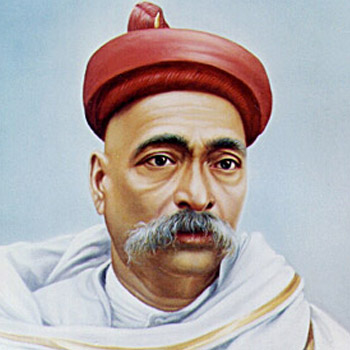
Acharya Vinoba Bhave
Acharya Vinoba Bhave was a monumental figure in modern Indian history, revered as a philosopher, social reformer, and the spiritual successor of Mahatma Gandhi. His lifelong dedication to non-violence, social justice, and the upliftment of the rural poor left an enduring impact on India's social fabric.
Early Life and Spiritual Foundation
Vinayak Narahari Bhave, popularly known as Acharya Vinoba Bhave, was born on September 11, 1895, in Gagoji, Maharashtra. From his childhood, he was profoundly influenced by the Bhagavad Gita, which shaped his values and philosophy throughout his life. His spiritual quest led him to Mahatma Gandhi, whose message inspired Vinoba to forsake formal education and dedicate himself to the cause of national and social regeneration.
Gandhian Influence and Satyagraha
Vinoba was drawn to Gandhi’s constructive programs, such as Khadi, Nai Talim (basic education), sanitation, and the upliftment of the marginalized. In 1940, Gandhi selected him as the first participant in Individual Satyagraha, an experiment to assert the right to free speech and protest against British policies through non-violent civil disobedience. This brought Bhave into the national spotlight as a steadfast leader for justice and peace.
Wardha Ashrams and Experiments in Community Living
From 1921 onwards, Vinoba set up Ashrams in Wardha and Pavnar, where he implemented rigorous principles of self-reliance and communal living. Inspired by Gandhian ideals, Bhave insisted on living through physical labor, spinning, and cultivating the land. He believed in kanchan mukti, freedom from money economy, and sought to produce everything within the Ashram for self-sufficiency.
The Bhoodan and Gramdan Movement
Vinoba Bhave’s greatest contribution was the Bhoodan Movement (Land Gift Movement), initiated in Pochampally in 1951. Travelling across India, he appealed to landowners to voluntarily gift land to the landless, mobilizing moral persuasion rather than legislative force. This remarkable effort resulted in the collection of over 4.4 million acres of land, with millions of poor and marginalized families benefitting directly. The movement evolved into Gramdan, the voluntary surrender of village landownership to promote collective welfare and rural empowerment.
Social and Religious Reform
Vinoba’s vision extended beyond land reform. He championed the Sarvodaya Movement (“progress for all”), aiming for holistic social upliftment through non-violence, spiritual discipline, and self-reliance. His Brahma Vidya Mandir in Paunar was dedicated to women’s empowerment and the realization of divine values in everyday life.
Legacy, Writings, and Global Recognition
A prolific writer, Vinoba Bhave authored influential works such as “Gita Pravachan,” “Swarajya Shastra,” and “Bhoodan Yajna,” weaving together spiritual and social thought. He received international acclaim, including the Ramon Magsaysay Award for Community Leadership in 1958, a testament to the universal relevance of his principles and activism.
Lasting Impact
Acharya Vinoba Bhave remains a symbol of compassion, moral leadership, and transformative social change through non-violence. His experiments in rural development, education, and constructive work are central to India’s narrative of ethical reform and community empowerment. Even decades after his passing in 1982, his ideals inspire reformers and citizens alike in pursuit of a just and equitable society.