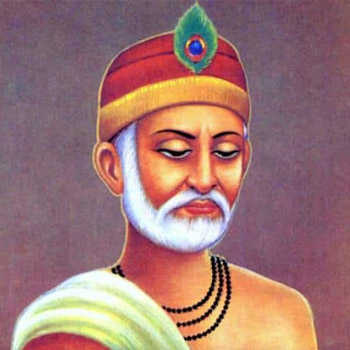
Ram Prasad Bismil
Ram Prasad Bismil stands as one of the most revered and dynamic figures of the Indian freedom struggle. An intellectual force, he combined his devotion to the nation with literary prowess, leaving behind a legacy of bravery, sacrifice, and timeless words that continue to inspire generations.
Early Life
- Born:11 June 1897, Shahjahanpur, Uttar Pradesh
- Family:Rajput Tomar background; father taught him Hindi, while a local maulvi taught him Urdu.
- Education:Studied in Shahjahanpur, gaining proficiency in Hindi, Urdu, and English.
- Influence:Deeply inspired by the Arya Samaj movement, which shaped his nationalist and reformist outlook.
Role in the Freedom Struggle
- Mainpuri Conspiracy (1918):His first major revolutionary activity, involving distribution of anti-British literature and weapons.
- Hindustan Republican Association (HRA):Co-founded in 1924 to organize armed struggle against British rule. Later evolved into the Hindustan Socialist Republican Association (HSRA) after his death.
- Kakori Train Action (1925):Planned and executed the famous train robbery near Lucknow to fund revolutionary activities. This bold act shook the British administration and became a landmark in India’s revolutionary history.
Literary Contributions
- Wrote patriotic poetry in Hindi and Urdu, often under pen names Ram, Agyat (anonymous), and Bismil (wounded).
- His most famous composition, “Sarfaroshi Ki Tamanna”, became a battle cry for revolutionaries and continues to inspire generations.
- Authored books and pamphlets promoting nationalism, including translations of socialist and revolutionary works.
Arrest and Martyrdom
- Arrested after the Kakori Train Action along with Ashfaqulla Khan, Rajendra Lahiri, and Roshan Singh.
- Tried under British law and sentenced to death.
- Executed on 19 December 1927 at Gorakhpur Jail at the age of 30.
- His martyrdom symbolized the ultimate sacrifice for India’s independence.
Legacy
- Remembered as a fearless revolutionary who combined armed struggle with intellectual and literary activism.
- His writings and poetry continue to be part of school curricula and inspire youth movements.
- Streets, institutions, and memorials across India honor his name.
- His life exemplifies the blend of courage, sacrifice, and vision that shaped India’s freedom struggle.
Popular General Knowledge Topics