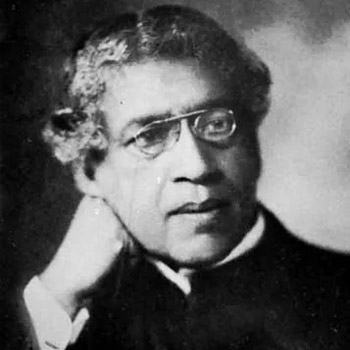
Mrs Sarojini Naidu
Sarojini Naidu, celebrated as the "Nightingale of India", was a prominent poet, freedom fighter, political leader, and advocate for women's rights whose legacy remains central to modern Indian history.
Early Life and Education
Born on February 13, 1879, in Hyderabad, Sarojini Naidu displayed remarkable talent from childhood. She was a child prodigy, excelling in academics and mastering several languages including Urdu, Telugu, English, Bengali, and Persian. Her father, Aghornath Chattopadhyay, was a scientist and educationist, and her mother, Barada Sundari Devi, was a poetess. Sarojini furthered her education at King’s College, London, and Girton College, Cambridge, gaining exposure to international ideas and literature.
Literary Achievements
Naidu’s poetry exudes lyrical beauty and patriotism, earning her the title “Nightingale of India”. Her first anthology, “Golden Threshold”, was published in 1905. Subsequent works like “The Bird of Time” and “The Broken Wings” were acclaimed both in India and abroad. Her lyrical compositions are infused with the themes of nature, Indian ethos, and nationalism, and her writings played a vital role in inspiring mass movements for independence. She also wrote essays on social issues, prominently focusing on women’s rights and freedom.
Political Activism and Freedom Struggle
Entry and Rise in National Movement
Sarojini Naidu joined the Indian National Congress during the anti-partition of Bengal in 1905 and was deeply influenced by leaders like Gopal Krishna Gokhale and Mahatma Gandhi. She became known for her oratory skills, inspiring masses to join the struggle for independence and encouraging women to participate actively in political life.
Major Roles and Movements
- Congress Leadership: Naidu was the first Indian woman to preside over the Indian National Congress in 1925, a milestone for women's leadership in the national movement.
- Civil Disobedience and Salt Satyagraha: She played a critical role during the Salt March and Civil Disobedience Movement, often leading marches and facing arrest for her activism.
- Round Table Conference: In 1931, she accompanied Gandhi to London for the second Round Table Conference, representing Indian interests internationally.
- Quit India Movement and Imprisonment: Her active participation in the Quit India Movement led to multiple imprisonments, demonstrating her unwavering commitment to freedom.
Advocacy for Women's Rights
Sarojini Naidu was a visionary advocate for social equality and the emancipation of women. In 1917, she co-founded the Women’s Indian Association, focusing on women’s education and empowerment. She also campaigned vigorously for women's suffrage at various forums, including in England. Naidu consistently opposed social evils like child marriage and promoted legislative and societal reforms to advance women’s participation.
Post-Independence Contributions
Following India’s independence, Sarojini Naidu served as the first female governor of Uttar Pradesh (formerly United Provinces), becoming the first Indian woman appointed governor of any state. Her tenure exemplified women’s ability to lead in high-level administrative roles, further encouraging future generations.
Legacy and Memorials
Sarojini Naidu’s life is celebrated through literary tributes, memorials such as the Golden Threshold at the University of Hyderabad, and honours like the naming of Asteroid 5647 Sarojini Naidu. National Women’s Day is commemorated in her name, reminding the nation of her enduring dedication to independence, literature, and social reform.
Conclusion
Sarojini Naidu’s multi-faceted legacy, as a poet, freedom fighter, and champion of women’s rights, has made her an exemplary figure in Indian and world history. Her courage, eloquence, and unwavering advocacy for justice continue to inspire millions.