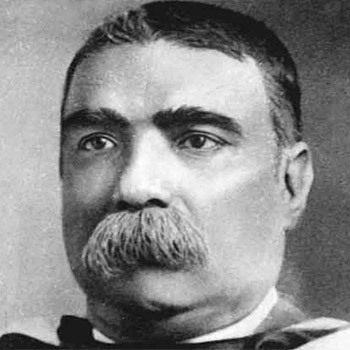
Amir Khusrau
Amir Khusrau (1253–1325), also known as Abul Hasan Yaminuddin Khusrau, stands as one of the most prolific and revered figures in the cultural history of the Indian subcontinent. A multifaceted genius, he was a Sufi mystic, poet, musician, scholar, and historian, whose works and innovations left an indelible imprint on Indian literature, music, and culture during the Delhi Sultanate era.
Early Life and Background
Born in 1253, Amir Khusrau grew up in a time when India was a melting pot of various cultures and languages. He was a disciple of the renowned Sufi saint Nizamuddin Auliya of Delhi, whose spiritual teachings deeply influenced Khusrau’s literary and musical creations. Khusrau’s life spanned over 72 years, during which he served in the courts of multiple Delhi Sultans, allowing him to absorb diverse cultural influences from different regions.
Literary Contributions
Amir Khusrau is widely regarded as the "father of Urdu literature". His poetic and prose works were primarily in Persian, the court language of the Delhi Sultanate, but he also composed extensively in Hindavi and Punjabi. Through his innovative use of language and poetic forms, Khusrau bridged Persian literary traditions with the Indian milieu, facilitating a unique synthesis that gave rise to the Urdu literary tradition.
He authored a variety of verse forms including ghazals, masnavi (epic narrative poems), qata (quatrains), rubai (quatrains with a specific rhyme scheme), do-baiti, and tarkib-band (a kind of stanzaic form). His works, such as the Khamsa-e-Khusrau, a set of five masnavis, encompassed themes ranging from ethical and spiritual to romantic and heroic narratives. Some notable masnavis are Matla ul-Anwar, Khusrau-Shirin, Laila-Majnun, Ayina-i Iskandari (about Alexander the Great), and Hasht-Bihisht (based on Persian legends).
Khusrau's poetry often incorporated rich symbolism, metaphors, and allegories to convey complex spiritual and philosophical ideas rooted in Sufism. His influence extended to later major Urdu poets like Mir Taqi Mir and Ghalib, particularly in developing the ghazal form. He is credited with laying foundational elements of Urdu poetry's style and aesthetic.
Musical Innovations
Amir Khusrau’s contributions to music are equally celebrated. He is credited as the "father of qawwali", a devotional Sufi music form that remains popular in South Asia today. He is also believed to have introduced or popularized the ghazal style of singing in India. Besides this, Khusrau is associated with musical innovations including the invention of the sitar and the creation of musical genres like khayal and tarana, which are significant components of Hindustani classical music.
Khusrau integrated Persian and Arabic musical elements with indigenous Indian traditions, fostering a rich cultural synergy. His musical innovations were nurtured in the royal courts where he received patronage from rulers such as Alauddin Khalji and his successors.
Cultural and Historical Significance
Amir Khusrau was not only a poet and musician but also an eminent historian and chronicler of his times. His works provide valuable insights into the political, social, and cultural life of medieval India under the Delhi Sultanate. He wrote historical accounts like "Khaza'in ul-Futuh," documenting the reign and military campaigns of Sultan Alauddin Khalji.
He was renowned for his deep secular outlook and multilingualism, often embracing the diverse linguistic and cultural fabric of India. His philosophical reflections on literature, language, and society, as presented in works like "Nuh Siphir," reveal his pioneering thoughts on the pluralism and coexistence of cultures.
Legacy
Amir Khusrau’s legacy continues to resonate in contemporary India and Pakistan. He is fondly remembered as the "voice of India" or the "Parrot of India" (Tuti-e-Hind). His pioneering role in shaping Urdu language and literature, his foundational contributions to Indian music, and his spiritual and cultural vision make him a timeless figure. Every spring, Delhi commemorates Khusrau’s seminal influence, keeping his memory alive through music, poetry, and cultural celebrations. His works are studied and revered across South Asia and continue to inspire poets, musicians, and scholars.
In summary, Amir Khusrau’s contributions span literature, music, history, and spirituality. His unique ability to blend Persian, Arabic, and Indian cultural elements created a distinctive Indo-Persian tradition that shaped the cultural landscape of South Asia. As a poet, musician, and mystic, he remains one of the most luminous and beloved figures in the history of Indian civilization.